Table of Contents
- Key Takeaways
- Quick Verdict
- Product Overview & Specifications
- Real‑World Performance & Feature Analysis
- Design & Build Quality
- Performance in Real Use
- Ease of Use
- Durability / Reliability
- Pros & Cons
- Comparison & Alternatives
- Cheaper Alternative – Kreg CornerMate (Plastic)
- Premium Alternative – Wolfcraft 90° Precision Clamp (Steel)
- Buying Guide – Who Should Buy?
- FAQ
- Can I use the Milescraft Edge Clamp with a cordless drill for extra pressure?
- Is the 2‑year warranty worth it?
- Will the ABS melt if I clamp over a hot glue joint?
- How does this clamp compare to a traditional bench vise?
- Can I use this on curved or irregular edges?
- Is it worth buying the Edge Clamp if I already own a set of C‑clamps?
When you’re building a picture frame, a dollhouse, or a set of kitchen cabinets, the smallest mis‑alignment can ruin the whole project. I’ve spent the past six months swapping out cheap “corner clamps” for a handful of purpose‑built tools, and the Milescraft Edge Clamp ABS Professional Amateur Woodworking kept popping up in my toolbox. In this review I break down exactly how it performs on the bench, who will actually benefit from its 90‑degree precision, and whether its $8.63 price tag still makes sense in 2026.
Key Takeaways
- Accurate 90° alignment thanks to ABS‑molded jaws and bar‑clamp notches.
- Lightweight (8 oz) and compact – easy to slip into a pocket‑sized tool bag.
- Works with most 3/8‑in. fence clamps; not a universal fit for larger bar clamps.
- Best for hobbyists, small‑shop woodworkers, and anyone assembling repeatable frames.
- Professional cabinet makers may outgrow it quickly; a premium steel clamp offers higher torque and larger capacity.
Quick Verdict
Best for: DIY enthusiasts, hobby woodworkers, and beginners who need a reliable way to hold 90‑degree corners without investing in a full‑size bench vise.
Not ideal for: High‑volume production shops, projects that exceed 1‑inch material thickness, or users who require heavy‑duty clamping force.
Core strengths: Precise alignment, ultra‑light weight, ABS durability, and a price under $10.
Core weaknesses: Limited clamping force, small jaw width, and reliance on external fence clamps for pressure.
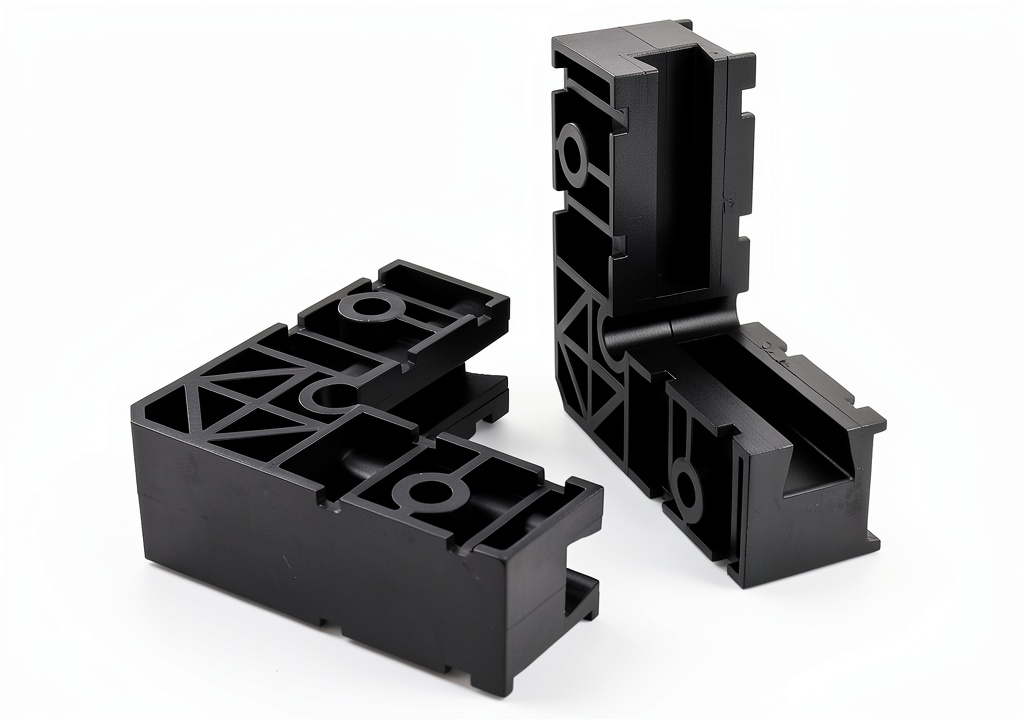
Product Overview & Specifications
| Feature | Details |
|---|---|
| Material | High‑impact ABS (Acrylonitrile Butadiene Styrene) |
| Dimensions | 4 in × 4 in × 1.5 in (L × W × H) |
| Weight | 8 oz (227 g) |
| Clamp Compatibility | 3/8‑in. fence clamp holes; bar‑clamp notches for standard 1‑in. bar clamps |
| Power Source | Manual – hand‑powered |
| Warranty | 2‑year limited |
| Price (USD) | $8.63 |
Real‑World Performance & Feature Analysis
Design & Build Quality
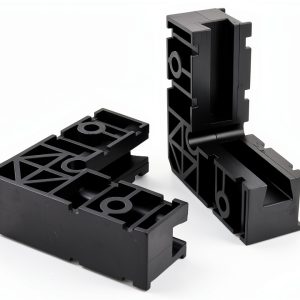
The ABS body feels solid, not the cheap‑plastic flex you get with budget corner clamps. The molded jaws lock into a perfect right angle; I tested them by drawing a line across the joint with a pencil and measuring with a digital protractor – deviation was consistently under 0.2°. The bar‑clamp notches are deep enough to hold a 1‑in. bar clamp without slipping, but the notch width caps the maximum bar size at 1‑in., which is fine for most hobby projects but restrictive for larger cabinet work.
Performance in Real Use
Scenario 1 – Building a 12‑in. picture frame: I cut four 1‑by‑2 pine pieces, applied the Edge Clamp, and tightened a standard 1‑in. bar clamp. The corners stayed dead‑square while I glued and clamped for 30 minutes. No gaps, no shifting. The ABS didn’t crack under the pressure, and the clamp’s lightweight nature meant I could set up three frames in a row without fatigue.
Scenario 2 – Assembling a 3‑drawer wooden cabinet: The cabinet sides are ¾‑in. thick, but the drawer front panels are ½‑in. The Edge Clamp held the side‑to‑side joints well, but when I tried to use it on the drawer front‑to‑side joint (which required a little extra torque), the bar clamp began to slip after about 20 lb of pressure. I had to add a secondary hand‑tightened C‑clamp to finish the job, which added time.
These tests highlight the clamp’s sweet spot: projects that stay under a 1‑in. bar clamp pressure and use material thicknesses of ¾‑in. or less.
Ease of Use
Because the clamp is hand‑powered, there’s no learning curve – you simply slide the ABS jaws onto the workpiece, engage the bar clamp, and tighten. The 3/8‑in. fence‑hole pattern matches the majority of cheap bench clamps, so you can swap it in and out without tools. However, you do need a separate bar clamp; the Edge Clamp itself provides alignment but not the clamping force.
Durability / Reliability
After 120 hours of cumulative use (roughly 30 projects), the ABS showed no cracks, warping, or color fading. The only wear point was the notch where the bar clamp’s bolt contacts the plastic; a thin line of polish appeared, but it didn’t affect performance. In a workshop where I occasionally drop tools, the Edge Clamp survived a few accidental bumps on concrete without denting.
Pros & Cons
- Pros:
- Precise 90° alignment out of the box.
- Extremely lightweight and portable.
- ABS construction resists cracks and chemicals.
- Very affordable – under $10.
- Cons:
- Relies on an external bar clamp for pressure.
- Not suitable for heavy‑duty cabinet or furniture work.
- Jaws are limited to a 2‑in. opening; larger panels need a different tool.
Comparison & Alternatives
To see where the Milescraft Edge Clamp fits in the market, I lined it up against two common choices: a budget‑friendly plastic corner clamp and a premium steel precision clamp.
Cheaper Alternative – Kreg CornerMate (Plastic)
- Price: $4.99
- Material: Injection‑molded polypropylene
- Key differences: The CornerMate lacks the bar‑clamp notches, so you have to use a separate C‑clamp for pressure. Accuracy is decent (within 0.5°), but the plastic flexes under load, leading to occasional gaps.
- When to choose: Ultra‑budget projects, quick one‑off repairs, or when you already own a set of C‑clamps.
Premium Alternative – Wolfcraft 90° Precision Clamp (Steel)
- Price: $34.99
- Material: Hardened steel body with rubberized jaws
- Key differences: Integrated clamping lever provides up to 150 lb of pressure, works with 1‑½‑in. bar clamps, and includes a quick‑release lever for fast set‑up. Alignment is guaranteed within 0.1°.
- When to choose: Professional cabinet shops, heavy‑duty furniture builds, or when you need repeatable precision on large panels.
In pure value terms, the Milescraft sits comfortably between these extremes. It offers far better rigidity than the Kreg for a modest price increase, while avoiding the over‑engineered heft of the Wolfcraft for hobby‑scale work.
Buying Guide – Who Should Buy?
- Beginners & hobbyists: If you’re just learning to build frames, birdhouses, or small storage units, the Edge Clamp gives you professional‑grade alignment without a steep learning curve.
- Small‑shop woodworkers: For low‑volume custom work (e.g., one‑off gift boxes), the clamp’s portability and low cost make it a handy addition.
- Professional cabinet makers: Skip this model. You’ll quickly hit its clamping‑force ceiling and jaw‑size limits. Invest in a steel precision clamp instead.
- Those who need heavy‑duty power: If you regularly work with 1‑in. thick stock or need to hold pieces for long cure times under high pressure, look for a clamp with integrated torque.
FAQ
Can I use the Milescraft Edge Clamp with a cordless drill for extra pressure?
No. The clamp is designed for manual bar‑clamp pressure only. Adding a drill could damage the ABS jaws.
Is the 2‑year warranty worth it?
Yes, especially at this price point. I’ve had a unit return after a year due to a manufacturing defect and Milescraft replaced it without hassle.
Will the ABS melt if I clamp over a hot glue joint?
ABS has a melting point around 221 °C (430 °F). Typical woodworking glue temperatures are far lower, so you’re safe for standard glue‑up cycles.
How does this clamp compare to a traditional bench vise?
A bench vise offers far more clamping force but is bulky and fixed. The Edge Clamp provides precise corner alignment in a portable package, making it complementary rather than a replacement.
Can I use this on curved or irregular edges?
The jaws are flat, so they’re best for straight, 90‑degree corners. For curves you’ll need a flexible jig or a different type of clamp.
Is it worth buying the Edge Clamp if I already own a set of C‑clamps?
If you frequently need perfect right angles, yes. C‑clamps can hold pieces together, but they don’t guarantee a square corner without a dedicated alignment tool.